
Hemorrhoid Arterial Embolization (HAE)The permanent alternative.
Same-day outpatient care
In-office, image-guided care
Treatments happen here — not a hospital OR.
Home the same day
Tiny access points. No overnight stay.
Days to recover, not weeks
Back to ordinary life far sooner than open surgery.
Hemorrhoid embolization, explained
Hemorrhoid Arterial Embolization: a minimally invasive medical procedure used to treat hemorrhoids by reducing their blood supply, thereby causing them to shrink and alleviate associated symptoms of pain, discomfort, bleeding, and other complications.
Who would benefit from a hemorrhoid arterial embolization?
HAE is a strong option for people with hemorrhoids that keep coming back — especially bleeding, pain, or discomfort that hasn’t improved with diet changes, more fiber, or topical creams. If you’d rather avoid the recovery of traditional surgery, it’s worth a conversation.
What symptoms does it treat?
Itching, pain, discomfort, bleeding during bowel movements, and the presence of a lump around the anus.
Hear from Dr. Long on how HAE works
A thin catheter is guided through a small access point at the groin to the vessels feeding the hemorrhoids. Tiny coils reduce that blood flow, so the hemorrhoids gradually shrink. It’s typically done under local anesthesia, with minimal pain and a shorter recovery than traditional surgery.
Stop managing hemorrhoids.Start treating them.
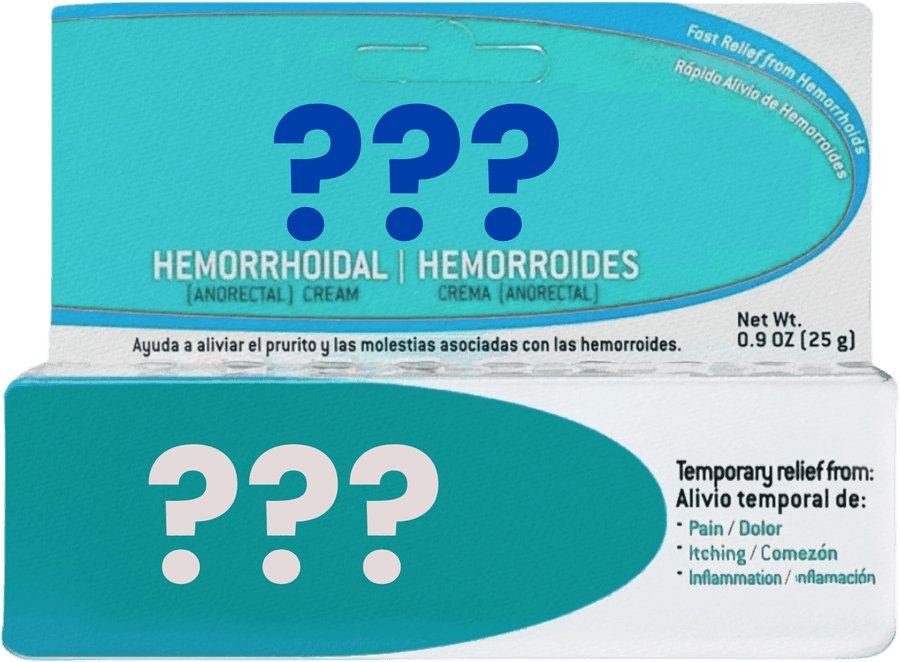
Over-the-counter creams soothe symptoms for a few hours. HAE treats what’s actually causing them.
Take the 1-minute quiz to see if your symptoms qualify
Start the quizWhy patients choose HAE
Creams are a temporary fix.
Your peach  deserves better.
No surgical cutting
No incisions or stitches in the sensitive area — the reason patients choose this over traditional surgery.
Fast recovery
An outpatient procedure with minimal downtime. Most people return to normal activities quickly.
Treats the source
Targets the blood flow driving the problem — designed to reduce bleeding, not just soothe symptoms.
The clinical detail
Description
Hemorrhoids are a common condition caused by increased pressure in the blood vessels of the rectum and anus due to swelling and inflammation. When conservative treatments such as dietary changes, increased fiber intake, and topical creams provide sufficient relief, hemorrhoid arterial embolization (HAE) can be considered as an effective alternative [1]. HAE is a minimally invasive medical procedure used to treat hemorrhoids by reducing their blood supply, thereby causing them to shrink and alleviate associated symptoms of pain, discomfort, bleeding, and other complications.
Etiology / Risk Factors
The exact cause of hemorrhoids is not always clear, but factors such as straining during bowel movements, chronic constipation, pregnancy, obesity, and prolonged sitting or standing can contribute to their development. Aging and a family history of hemorrhoids may also lead to an increased risk.
Symptoms
Hemorrhoids can cause symptoms such as itching, pain, discomfort, bleeding during bowel movements, and the presence of a lump around the anus.
Hemorrhoid Arterial Embolization
During the procedure, a thin catheter is inserted through a small incision along the groin and is guided to the blood vessels supplying the hemorrhoids. Small coils are then injected in order to block or significantly reduce blood flow — causing the hemorrhoids to gradually shrink with time. The procedure is typically performed under local anesthesia and is associated with minimal pain and a shorter recovery period compared to traditional surgical treatments [2].
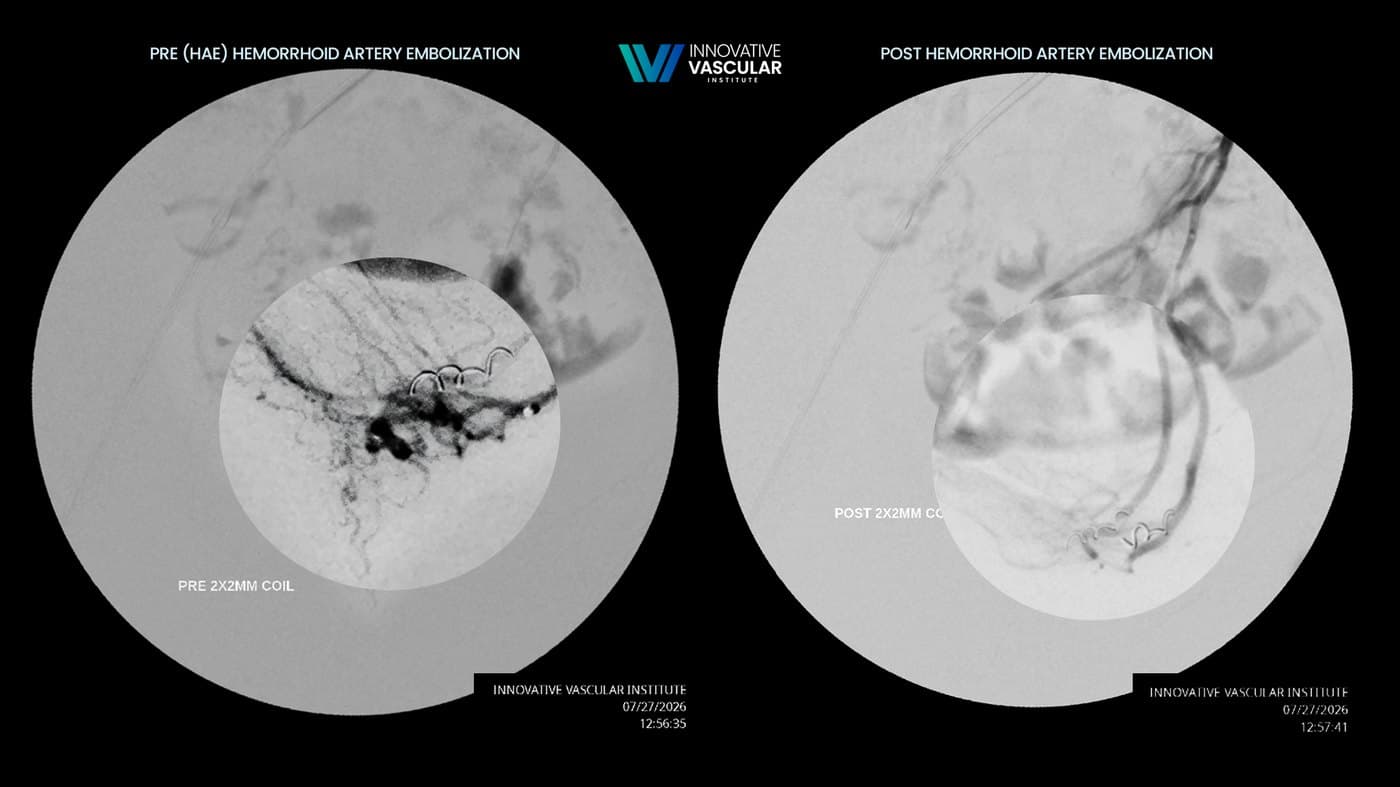
HAE is a minimally invasive procedure designed to reduce the size and painful effects of hemorrhoids. If you feel that hemorrhoid intervention treatments could help you live a more comfortable life, schedule a consultation at our vascular clinic. Our doctors will work with you to explain this vascular procedure and the relief that it could bring you. Contact us today to start your journey towards better vascular health — we serve clients throughout the San Antonio, TX area.
References
- Vidal V, Louis G, Bartoli JM, Sielezneff I. Embolization of the hemorrhoidal arteries (the emborrhoid technique): a new concept and challenge for interventional radiology. Diagn Interv Imaging. 2014 Mar;95(3):307-15. doi: 10.1016/j.diii.2014.01.016. PMID: 24589187.
- Simillis C, Thoukididou SN, Slesser AA, Rasheed S, Tan E, Tekkis PP. Systematic review and network meta-analysis comparing clinical outcomes and effectiveness of surgical treatments for haemorrhoids. Br J Surg. 2015 Dec;102(13):1603-18. doi: 10.1002/bjs.9913. PMID: 26420725.

Still reaching
for the cremes?
Talk to the care team about hemorrhoid arterial embolization. Most new patients are seen within the week.
855-9-HEMROIDBook a consultation